
Common Dental Mistakes That Cause Bigger Problems, and What to Do Instead
Learn the common dental mistakes that lead to bigger problems. See how preventive dentistry helps you protect your teeth and avoid costly treatment.
August 19, 2026
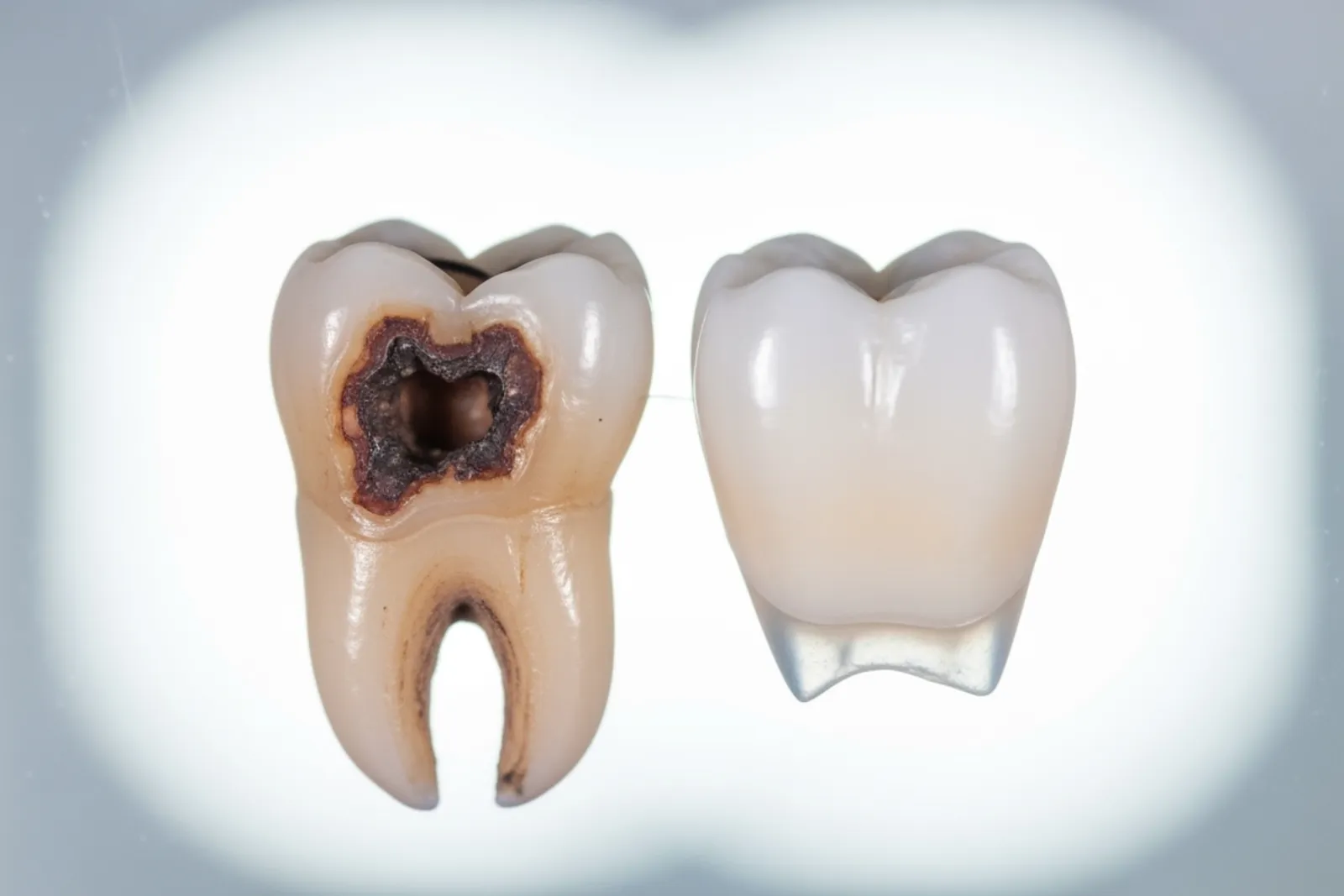
A lot of dental trouble starts with a very normal thought.
"It doesn't hurt, so it's probably fine."
Or this one: "I'll deal with it after this busy week."
Or, honestly, "I already brush, what else could they possibly tell me?"
I get why people think that way. Life is full, dental visits can make some people tense, and plenty of problems stay quiet for a while. The frustrating part is that teeth and gums often give subtle warnings long before they force your attention. By the time something feels urgent, the treatment is usually bigger, slower, and more expensive than it needed to be.
If you live in Vancouver BC, Burnaby, Richmond, North Vancouver, or West Vancouver, you have probably heard a lot of mixed messages about oral health. Some are harmless. Some really are not. Here are the mistakes and misunderstandings I see come up again and again, plus a better way to think about them.
Mistake 1: Waiting for pain before seeing a dentist
This is probably the most common one.
Pain is a late signal. A cavity can grow for months before it hurts. Gum disease often starts with little or no discomfort. A cracked tooth might feel fine until one day you bite down and everything changes.
That is why preventive dentistry matters so much. The point is not to "find problems" for the sake of it. The point is to catch small issues while they are still small. A tiny area of decay might need a simple filling. Leave it long enough, and now you may be looking at a root canal, a crown, or even an extraction.
The better approach is boring, which is exactly why it works. Keep regular exams and cleanings. If something feels different, even if it is mild, mention it. Sensitivity to cold, food packing between teeth, a rough edge, a spot that catches floss, these details matter.
General dentistry is often at its best when nothing dramatic is happening. Quiet prevention is less exciting than emergency treatment, but it is usually kinder to your body and your budget.
Mistake 2: Brushing harder because it feels cleaner
People mean well here. They want clean teeth, so they scrub.
The problem is that teeth and gums do not respond well to force. Aggressive brushing can wear enamel, irritate the gumline, and contribute to recession. Once gums recede, they do not simply grow back on their own. Exposed root surfaces can become sensitive and more vulnerable to decay.
A toothbrush should clean, not sandblast.
What works better is a soft-bristled brush, gentle pressure, and consistency. Two minutes, twice a day, with careful attention to the gumline. If you use an electric toothbrush, let the brush do the work. You are guiding it, not wrestling with it.
This is also where technique beats enthusiasm. Plenty of people brush often but miss the same spots every day, especially around back molars and the inside surfaces of lower front teeth.
If you have ever been told you brush "too hard," it is not a scolding. It is usually a fixable habit.
Mistake 3: Assuming bleeding gums are normal
A little blood in the sink gets shrugged off far too often.
People say, "It always happens when I floss," as if that settles it. It does not. Healthy gums generally do not bleed during brushing or flossing. Bleeding is often a sign of inflammation, usually from plaque buildup along the gumline. Left alone, that inflammation can turn into periodontal disease, which affects the bone and support around the teeth.
The misunderstanding here is easy to see. If flossing makes gums bleed, many people stop flossing. That usually makes the problem worse.
A better approach is to keep cleaning gently and consistently, then get it checked. In early stages, inflamed gums can improve a lot with better home care and professional cleaning. If it has progressed further, treatment gets more involved.
Dry mouth is another detail people miss. If your mouth feels dry because of medication, stress, mouth breathing, or a health condition, your risk for cavities and gum trouble goes up. Saliva helps protect teeth. When it is missing, the mouth loses some of its built-in defense.
Mistake 4: Thinking cosmetic concerns are "just cosmetic"
I understand why people separate cosmetic dentistry from health. A whiter smile or straighter teeth can sound optional.
Sometimes it is optional. Sometimes it is not that simple.
A chipped front tooth may bother you because of how it looks, but the chip can also change how the tooth functions. Worn teeth can be a cosmetic issue and a bite issue. Crowding may seem like an appearance concern, but crowded teeth can be harder to clean, which raises the risk of decay and gum disease.
Cosmetic dentistry can overlap with function more than people expect. Veneers, teeth whitening, and Invisalign all have aesthetic goals, but the planning behind them should include bite, gum health, enamel quality, and long-term maintenance.
That is why the better question is not "Is this cosmetic or necessary?" The better question is "What is actually causing this, and what result will hold up well over time?"
Sometimes the best answer is simple whitening. Sometimes it is orthodontic movement. Sometimes it is repairing wear caused by grinding. Good treatment planning is less about chasing a perfect smile and more about making choices that fit the whole mouth.
Mistake 5: Trying whitening products before finding out why teeth look darker
Teeth whitening seems straightforward. Buy a product, use it, get whiter teeth.
Sometimes that works fine. Sometimes it backfires.
Not all stains respond the same way. Surface stain from coffee, tea, or smoking is different from darkening caused by trauma, aging fillings, enamel wear, or internal tooth changes. If the color change is coming from inside a tooth, over-the-counter whitening may do very little. It can also increase sensitivity if the enamel is already worn or the gums are irritated.
There is another overlooked detail here. People often whiten before getting a cleaning, or before dealing with cavities, leaking fillings, or recession. That can make the experience more uncomfortable and the results less even.
The better approach is to figure out the source first. A professional exam can tell you whether teeth whitening is likely to work, whether sensitivity needs to be managed, and whether other treatments should happen first. Sometimes the fix is whitening. Sometimes it is bonding, veneers, or replacing old visible fillings.
Mistake 6: Believing straight teeth automatically mean healthy teeth
Straight teeth are easier to clean, and that matters. But straight is not the same as healthy.
I have seen people finish Invisalign and assume the job is done, then wear their retainers inconsistently and wonder why things drift. I have also seen people with very straight teeth who still have gum disease, grinding damage, or untreated decay.
Orthodontic treatment can be a great tool. Invisalign has helped many people improve crowding, spacing, and bite problems. But the outcome depends on more than trays. You still need good home care, regular monitoring, and a plan to keep the result stable after treatment.
This is where expectations matter. Clear aligners do not fix every problem. If someone has significant bite wear, untreated periodontal disease, or complex jaw issues, the treatment may need a broader plan. Cosmetic improvements look better and last longer when the mouth is healthy first.
Mistake 7: Assuming a repaired tooth no longer needs special attention
This comes up with fillings, crowns, veneers, and dental implants.
Once a tooth has been treated, people often feel relieved, and fair enough. But repaired teeth still need care. Fillings can wear out. Crowns can trap plaque at the edges if brushing and flossing are inconsistent. Veneers are strong, but they are not invincible. Dental implants cannot get cavities, but the surrounding gum and bone can become inflamed. Peri-implant disease is real, and it can threaten the implant if it is ignored.
The misunderstanding is subtle. People think treatment "solves" the tooth forever.
Really, treatment resets the situation. After that, maintenance matters. Sometimes it matters more than people expect.
If you have an implant, crown, bridge, or veneers, ask how to clean around it properly. The answer may involve floss threaders, interdental brushes, a water flosser, or just a small change in technique. Tiny adjustments at home can make a big difference years later.
Mistake 8: Downplaying a dental emergency
There is a strange habit people have with dental emergencies. They either panic over something minor, or they wait far too long on something serious.
Here are a few examples that should not sit on the back burner:
swelling in the gums, face, or jaw
a knocked-out tooth
severe toothache that keeps building
a broken tooth with pain or a sharp exposed edge
bleeding that does not stop
signs of infection, including bad taste, pus, fever, or trouble swallowing
Emergency dentistry is not only about dramatic trauma. Infections can move quickly. Swelling near the mouth and jaw is not something to monitor for a week while hoping it settles down.
Another mistake is home treatment that makes things worse. Putting aspirin directly on the gum can cause a chemical burn. Taking leftover antibiotics without an exam can blur the picture without fixing the source. Waiting for a dental abscess to "drain on its own" is a bad gamble.
If you think you may need urgent care, call an office that provides emergency dentistry and ask whether they have same-day emergency appointments. Many clinics that care for new patients in Vancouver and nearby areas try to keep room for urgent cases because delays can change the outcome.
Mistake 9: Forgetting to mention changes in health, medication, or anxiety
People often think the dentist only needs to know about teeth. That is not really how it works.
Your medical history shapes dental care more than you might guess. Pregnancy, diabetes, osteoporosis medications, blood thinners, acid reflux, sleep issues, jaw tension, autoimmune conditions, and mental health medications can all affect treatment planning or oral health risks.
So can anxiety.
This is one I wish more people would say out loud. If dental visits make you nervous, if local freezing has been hard for you in the past, if noise, shame, or bad past experiences keep you away, mention that early. It is useful information, not an inconvenience.
Patient-centered care starts with honesty. A calmer visit is easier to build when the team knows what tends to set you off. That might mean shorter visits, more explanation, breaks, numbing gel before injections, or discussing sedation options when appropriate.
People looking for family dentistry often think this only applies to kids. It does not. Adults bring dental fear into appointments all the time, and many have been carrying it for years.
Mistake 10: Assuming every mouth in the family needs the same routine
Families share bathrooms, schedules, toothpaste, and sometimes bad habits. But oral health plans should not be copied and pasted from one person to another.
A teenager with braces, a parent who grinds their teeth, a grandparent with dry mouth, and a child learning to brush all need different support. Even two adults in the same household may have very different cavity risk, gum history, or enamel wear.
This is where family dentistry can be helpful, not because everyone gets identical care, but because one practice can track the changing needs of different age groups. Kids may need sealants and brushing coaching. Adults may need nightguards, gum monitoring, or restorative care. Older adults may need extra attention to root cavities, medications, and chewing comfort.
The better mindset is simple. Shared habits help, but personalized care matters.
What a better approach actually looks like
If all of this feels like a lot, I would simplify it to five habits.
Go in before something hurts.
Clean gently, not aggressively.
Treat bleeding, sensitivity, and swelling as useful warning signs.
Ask questions before starting cosmetic treatment.
Keep repaired teeth and dental implants on your daily care radar.
If you are searching for a dentist in Vancouver, especially near West Broadway or surrounding neighborhoods, it helps to look for someone who explains things clearly and does not rush your questions. That matters whether you need general dentistry, cosmetic dentistry, preventive dentistry, or urgent care.
For new patients, the first visit is a good time to bring a short list of concerns, even if they seem small. Food trapping on one side. A whitening product that stings. A crown that feels "mostly fine." A bite that changed after dental work. These details are not trivial. They are often where the useful clues live.
The small stuff is rarely small for long
Dental problems are sneaky that way. They start quietly. A little bleeding. A rough edge. Sensitivity that comes and goes. You adjust. You chew on the other side. You stop flossing that spot. Months pass.
Then one day it is an emergency.
That pattern is common, and it is also very preventable. Most poor dental outcomes do not come from one dramatic mistake. They come from a chain of small misunderstandings, each one easy to excuse in the moment.
A better approach is not perfection. It is paying attention sooner, asking more questions, and not assuming that silence means health. Small corrections early are usually easier than big rescues later.
Got a question this didn't answer?
Ask us at your next visit, or book one. New patients are welcome.
Book a Visit